
How Robotics Programming for Kids Builds Creativity and Critical Thinking
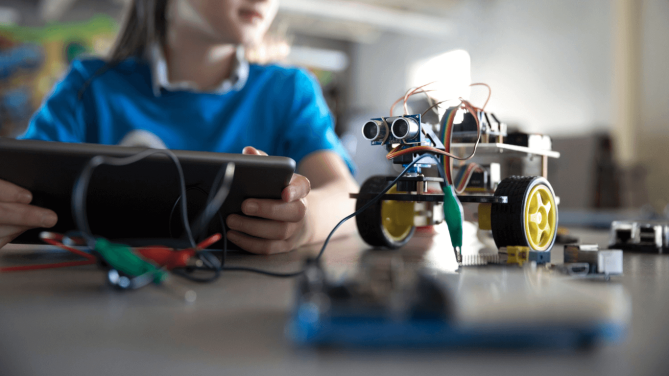
Robotics programming for kids is one of the most enjoyable educational activities out there. It puts children at the very start of their coding journey and helps them develop analytical thinking skills by building and programming robots. It also empowers the rising generation to keep growing their abilities and prepares them for a future built on technology and creativity.
What Is Robotics Programming?
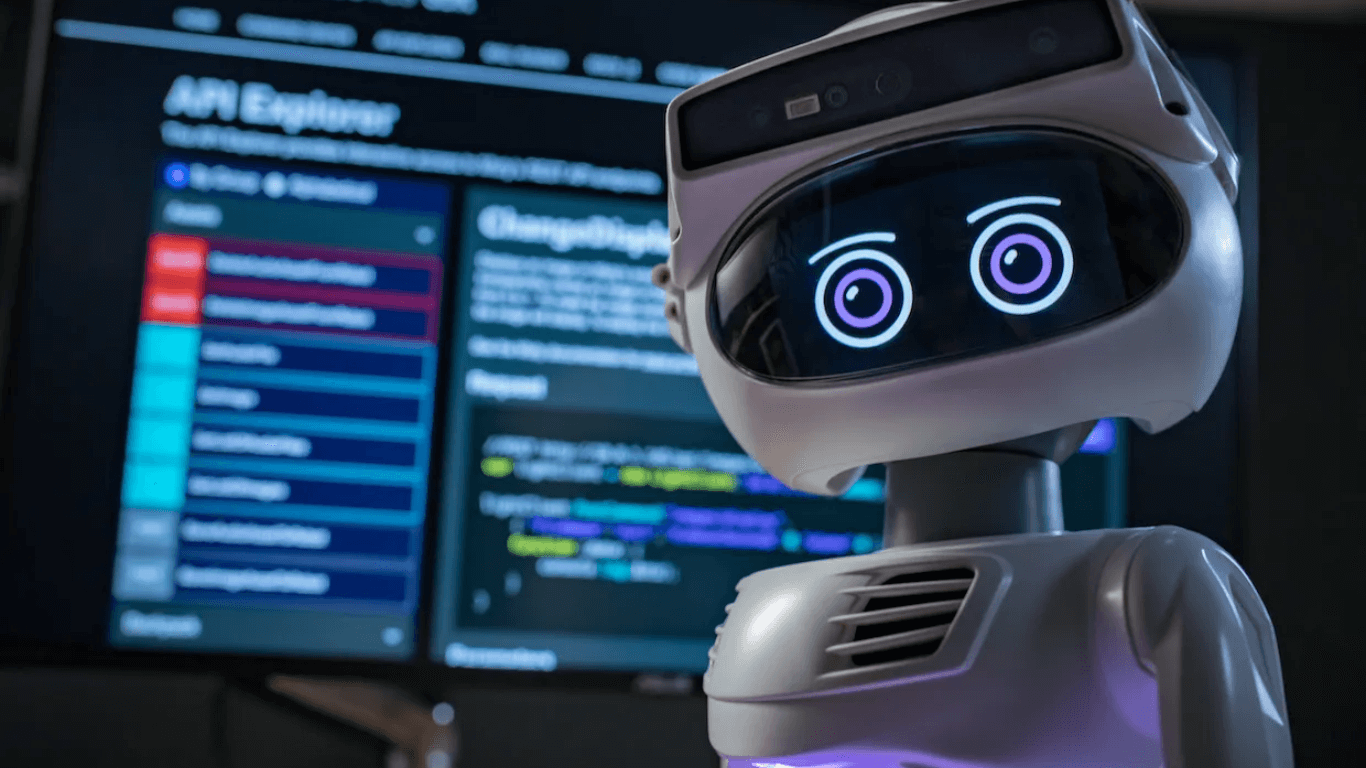
For every programmer and hobbyist, here is a complete answer to the question of what robotics programming is: it is the process of designing and writing the code that lets us control how robots behave.
Robotics programming for kids relies on specialized programming languages and tools that make robots capable of carrying out specific tasks, such as moving, interacting with their environment, and processing data.
Robotics programming for kids is made up of a set of physical components, including sensors, which gather information from the surrounding environment such as motion and light, along with motors and control units.
In addition to the software, in which we use various programming languages such as Python, C++, or Java, there is also a range of visual environments that make robotics programming for kids easy.
Robotics Programming Languages
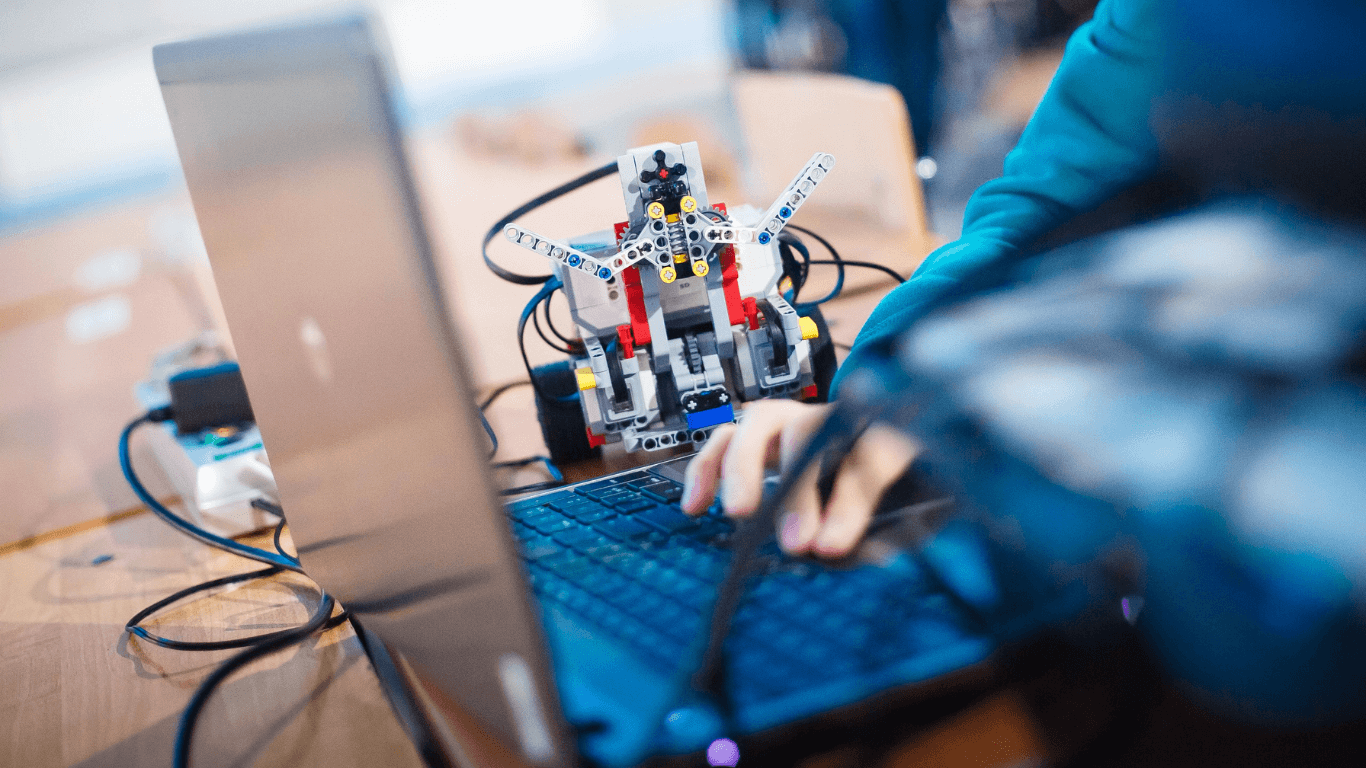
There are many robotics programming languages for kids. Each one has its own strengths and suits a particular type of project better than others, including the following:
- Python: One of the easiest languages to learn, it is widely used in robotics and supported by a set of powerful libraries.
- C/C++: Used extensively in robotics programming for kids thanks to its speed and high efficiency, it is ideal for precise programming.
- Java: A powerful language used in a variety of robots, especially those that need advanced user interfaces, and helpful for developing cross-platform applications.
- Scratch: This programming environment is designed for children and helps them understand the core concepts of robotics programming through its drag-and-drop feature.
- Blockly: This language is used to teach programming in a visual style and appears in some educational robotics projects, such as robotics programming for kids.
The Basics of Robotics Programming
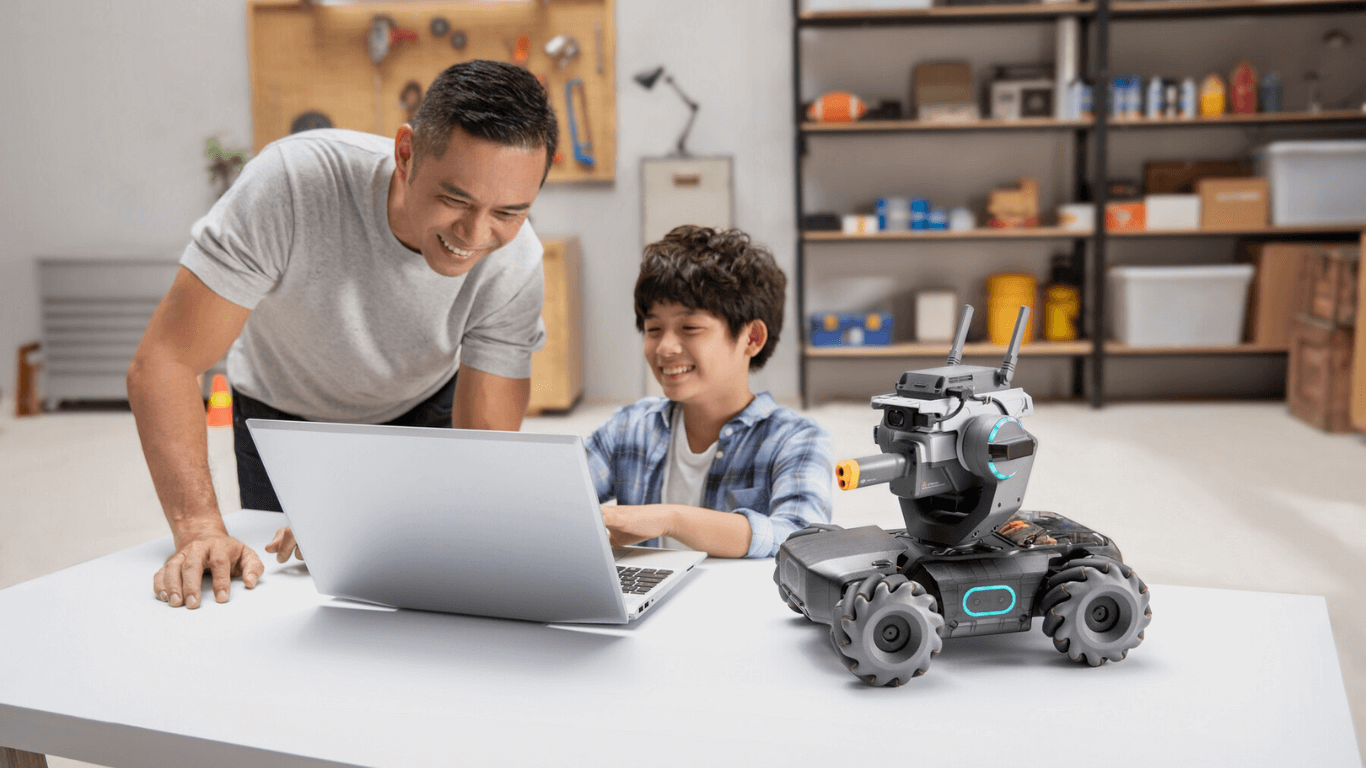
There are several core concepts that fall under the basics of robotics programming, including:
- The robot's essential components: a set of information about the environment, the motors that control the robot's movement, and the control unit that acts as the robot's brain.
- Understanding software: such as the different languages, so you can choose the right one; understanding algorithms so you can solve problems or carry out tasks; and flow control to grasp conditional statements and loops.
- Interacting with the environment: by reading the data we receive from the sensors and putting it to use in the programming, and having the motors respond based on the information received.
- Testing programs and debugging errors to improve how robots perform.
The Benefits of Learning Robotics Programming for Kids
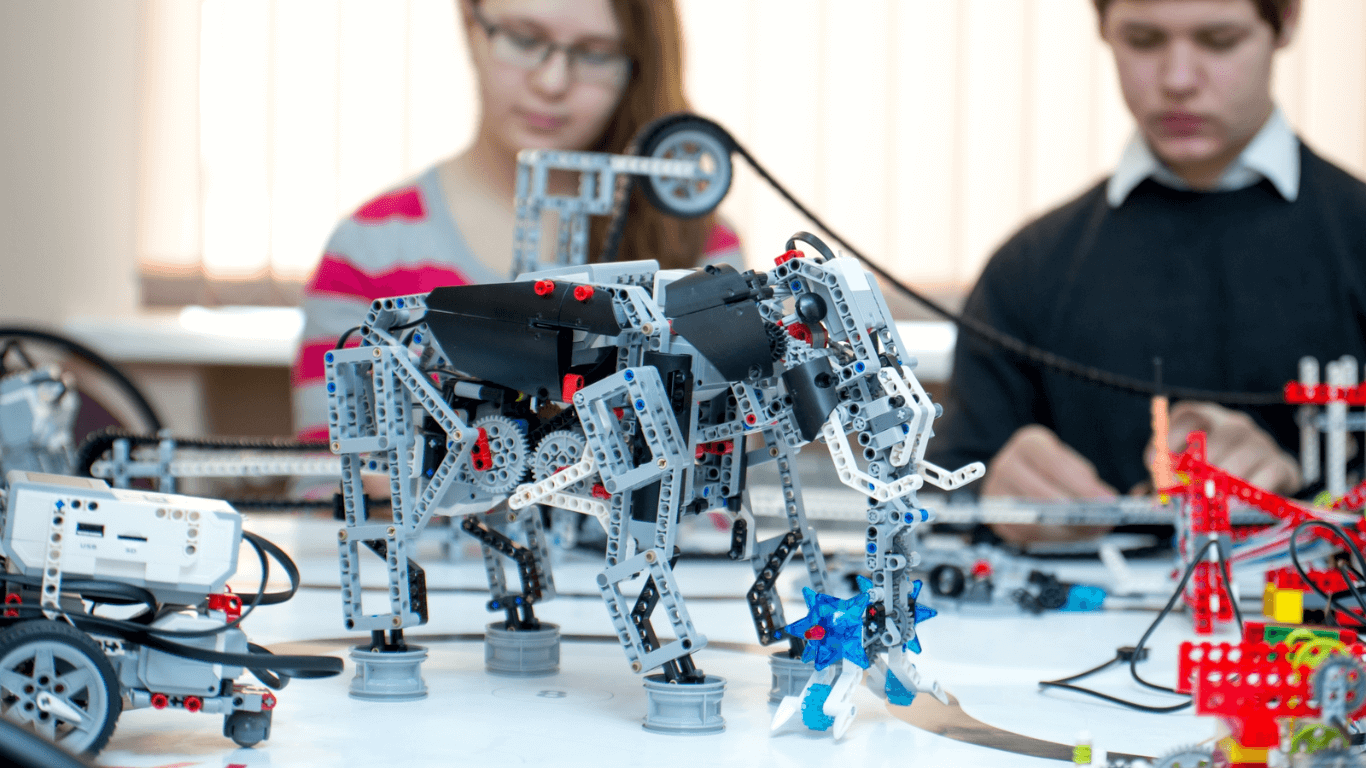
There are many benefits to learning robotics programming for kids that go well beyond simply picking up a new skill, including the following:
- Giving children a strong grasp of all the fundamentals of programming and engineering.
- Understanding how technology works on a deeper level.
- Teaching children to solve problems in a precise, methodical way.
- Strengthening their ability to analyze and think critically.
- Teaching children how to divide tasks and collaborate to reach a shared goal.
- Recognizing the differences between various robot designs, which in turn helps strengthen communication and teamwork skills.
- Giving children the chance to design their own projects and express their ideas.
- Encouraging creative thinking so they can experiment with new and innovative solutions.
- Introducing children to concepts in science, technology, engineering, and mathematics.
In the end, robotics programming is not just a technical activity; it is an enjoyable journey full of creative challenges that develop children's analytical thinking and problem-solving skills. Through this field, children can discover their passion for technology and engineering and become the future leaders of the world of innovation.
So encourage your children to explore the world of robotics programming. It is not just about learning to code; it is a gateway to learning collaboration, creativity, and the logical thinking that will positively shape every aspect of their future lives.