
E-Learning for Kids: How to Make It Fun and Effective
Learning no longer stops at the school gates. A child goes to school, enjoys the day among lessons and friends, then comes home to continue the learning journey in a different way. They sit in front of a screen, open an educational app, and find their teacher welcoming them with: "Welcome to our new course!".
Math? Online. Coding? Online. Improving handwriting? There's an interactive video ready to go. Even drawing lessons have their own digital platforms.
Remote learning for children has become a natural extension of their educational journey, opening up new horizons beyond the walls of the classroom.
But the question on your mind is: is it really beneficial? Can a child take in all these lessons without losing the joy of learning? Can screens spark the same passion that a blackboard and colorful books once did?
It's time to understand how to make remote learning an experience that enriches a child's mind rather than drains it.
What Is E-Learning for Kids?
Imagine your child wants to learn to code, but there's no learning center nearby. In the past, that would have meant it was impossible. But today? With the click of a button, the child finds themselves in a digital classroom, sitting alongside students from different places, listening to a teacher who might be in another city or even on another continent.
Remote learning for children has become a lifeline in a world that's changing at a frightening pace. It's the way a child can learn something new without leaving home, develop their skills beyond the walls of school, and see the world through the window of a screen rather than from a textbook.
Types of E-Learning for Kids
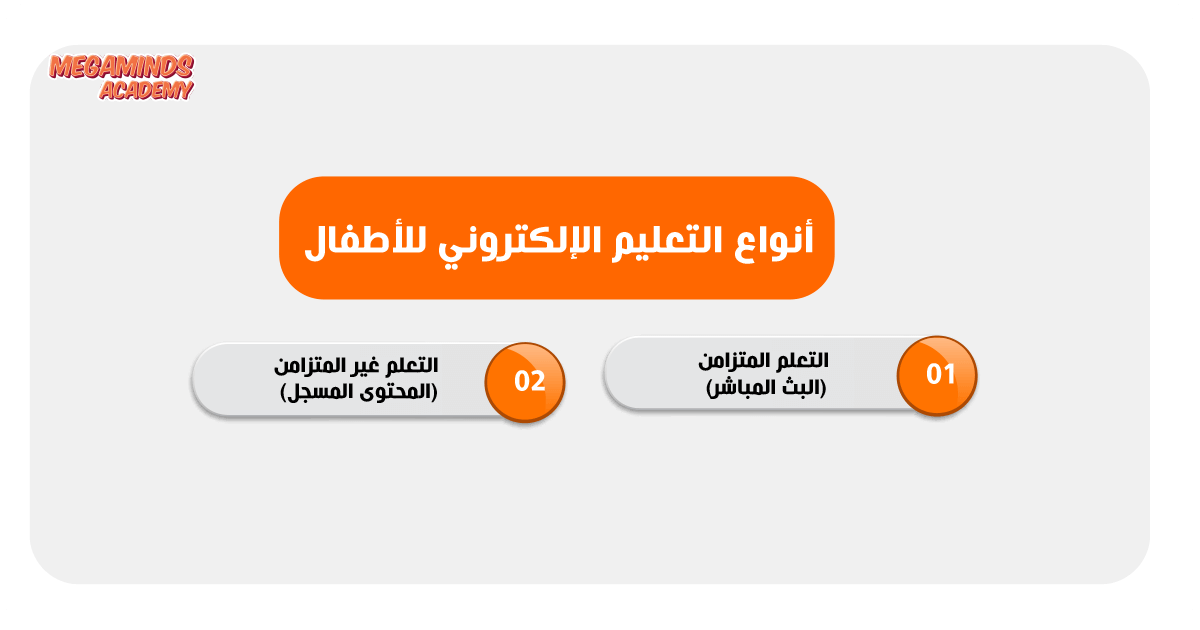
How does a child learn remotely? There are two types of remote learning:
Synchronous Learning (Live Streaming)
Here the student sits in front of their device at a set time, following the teacher live as if they were in a real classroom. They raise their hand (or click the virtual "raise hand" button), ask questions, answer, and interact with classmates in real time.
It's the option closest to traditional school, but it requires sticking to a schedule, as if your child is still going to school, just in another digital dimension.
Asynchronous Learning (Recorded Content)
This is more like a vast library that a child can enter whenever they like, taking the lessons they need, watching recorded videos, and solving exercises at any time that suits them. No teacher waiting for them, no classmates commenting on their answers, just the child and knowledge, advancing together at the pace that works for them.
Which is better? It's a question with no single answer, as is the case with everything in life. Some children love instant interaction, while others prefer to learn at their own leisure, without pressure or deadlines.
In the end, it all comes down to what suits your child, and what makes them learn without feeling that education is just another burden in their day.
Benefits of E-Learning for Kids
Years ago, no one could have imagined a child learning to code without a teacher sitting beside them, or solving math problems without a notebook full of scribbles. Learning meant going to school, sitting in a crowded classroom, and staring at the blackboard. But today the whole world has become a classroom, and learning is no longer confined by walls.
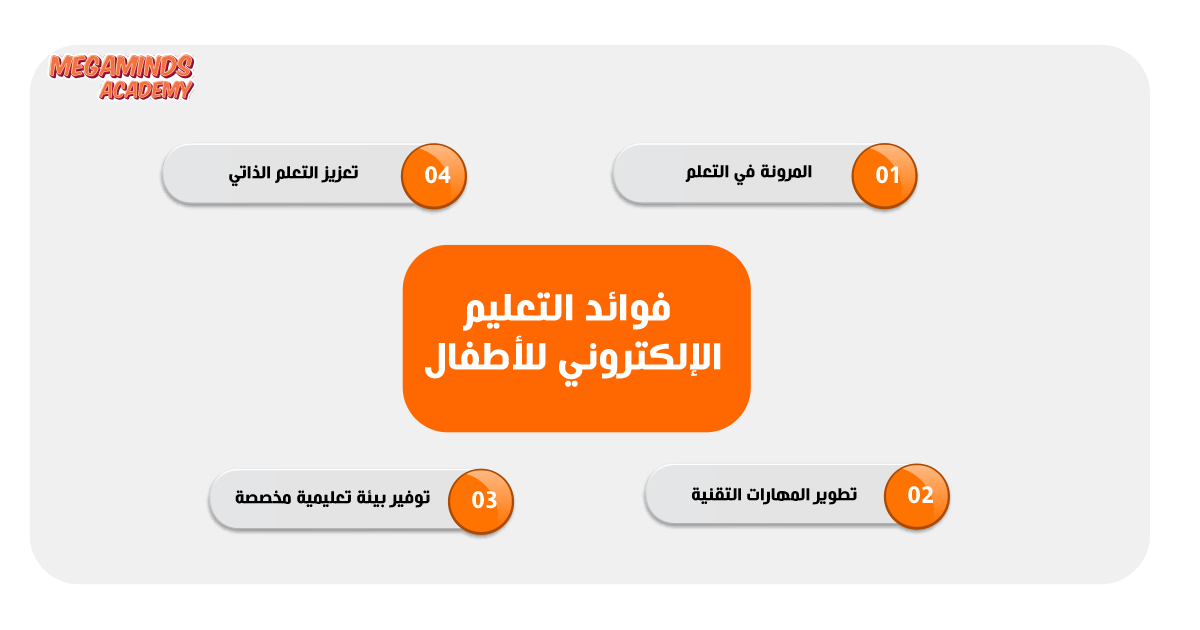
Among the benefits of this:
Flexibility in Learning
Remote learning for children doesn't mean doing away with schedules entirely, but it does give more room to adapt to each child's needs.
Some lessons are offered at set times, but the child still has the option to rewatch, pause, fast-forward, and learn at the pace that suits them.
They're no longer bound by the speed of the teacher or their classmates. They can focus on what they actually need, without feeling they've fallen behind or are forced to wait for others. This flexibility helps them absorb lessons more comfortably.
Developing Technical Skills
In a world where screens control everything, a child can't stay away from them. Remote learning isn't only about studying math or languages, it's also hands-on training in the skills of the future.
How do they use digital platforms? How do they write an email to their teacher? How do they take part in an online discussion without hiding in the background?
Without realizing it, the child becomes more tech-savvy, all while still doing their homework.
Encouraging Self-Directed Learning
In the past, a child would wait for the teacher to tell them everything. They'd raise their hand to ask, and get the answer handed to them. But in remote learning, the child becomes responsible for themselves.
They learn how to search for information, how to experiment on their own, make mistakes and try again, and discover that knowledge is something they have to seek out. This is a skill that benefits them in their studies and in life in general.
Providing a Tailored Learning Environment
Not all children are alike, and not every classroom suits everyone.
Some children prefer to learn in quiet, away from noise, while others need a space of their own to be able to concentrate.
E-learning for kids offers this advantage, since a child can sit wherever they're comfortable, wear whatever they like, and learn in the way that suits them.
No one forces them to sit still for hours, and no one asks them to write quickly before the teacher erases the board.
Challenges of E-Learning for Kids and How to Overcome Them
Remote learning seems like a wonderful idea, but once you actually start, some challenges begin to surface, especially when you find your child distracted, missing interaction with friends, or even facing technical issues during a lesson.
Don't worry, all of these challenges have simple solutions you can apply to make the learning experience smoother and more effective.
Social Isolation
One of the things you may notice most is that your child interacts with others less than they would in traditional schooling. Sitting in front of a screen for hours can leave them feeling lonely, especially if they're used to playing with friends every day.
The solution? Make sure they take part in group activities online, like group discussions or joint projects with classmates. You can also arrange regular meetups with their friends outside of study hours, whether in person or even through video calls, so they don't feel cut off from their world.
Distraction and Lack of Focus
Have you noticed them open their book, then suddenly find themselves playing their favorite game or watching a random video? Distraction is a common problem in remote learning, especially with so many digital temptations around them.
The solution starts with you: set up a quiet spot for them away from noise, and keep away any devices or toys that might distract them during study. Try the "focus time" technique, where they work for 25 minutes straight, then get a short break. This helps them stay attentive without feeling exhausted.
Technical Challenges
Internet dropping during a lesson? An audio problem? The learning platform not working? These are all situations that can be frustrating, especially if you don't know how to handle them quickly.
To avoid these issues, make sure the internet is stable before lessons begin, and try to download the learning materials in advance in case of a sudden glitch. It's also a good idea to teach your child a few simple fixes, like restarting the device or checking the volume settings, so they don't rely on you every time a technical problem comes up.
Tools and Technologies That Support Remote Learning
The success of the remote learning experience for children depends on the study content, along with the tools and technologies that make the process easier and more enjoyable. Here are some essential tools you can rely on to support your child on their learning journey.
E-Learning Platforms
Choosing the right platform makes a big difference in how engaged a child is and how much they get out of the lessons. Some platforms offer live lessons, others provide recorded content, and some rely on interactive games to make learning more exciting.
Technological Tools
For remote learning to be a comfortable and effective experience, make sure to provide your child with the right devices, such as:
- A tablet or laptop with a clear screen
- Good headphones to block out noise,
- A digital writing tablet if they need to take notes.
Don't forget to provide a stable internet connection to ensure lessons aren't interrupted halfway through.
Conclusion
E-learning for kids has become an essential part of the future of education. With all it offers in terms of flexible learning, technical skill development, and the ability to provide a tailored learning environment, it gives your child the chance to explore knowledge in a way that suits them.
But the success of this experience depends greatly on your role as a parent in providing a supportive environment, encouraging your child to participate actively, and helping them overcome the challenges they may face.
A little organization, plenty of motivation, and a few simple tweaks to the daily routine turn remote learning into a fun and rewarding experience for them.
In the end, every child learns in their own way, and your role is to help them discover the best approach that suits them. Over time, you'll find they're gaining skills that will stay with them for life.